
500mm round bathroom mirror with light
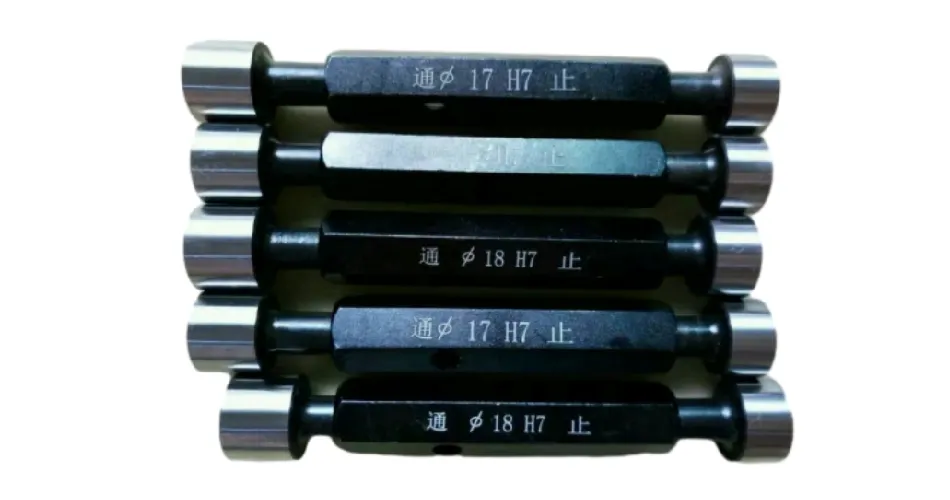
Understanding Standard Bore Gauges Essential Tools in Precision Engineering In the realm of precision engineering, standard bore gauges play a crucial role in ensuring that components meet specific dimensional and quality standards. These instruments are designed to measure the internal diameters of holes, ensuring that they fall within predetermined tolerances. Precision in manufacturing is vital, not only for the performance of the final product but also for the safety and reliability of the machinery in which these components will be used. What is a Standard Bore Gauge? A standard bore gauge is a measuring tool specifically utilized to check the inner diameter of cylindrical objects. Unlike calipers that measure external dimensions, bore gauges allow engineers and machinists to assess the internal profiles of holes, pipes, and various components. They are particularly useful in situations where conventional measuring tools cannot reach or provide accurate readings. Bore gauges generally consist of a body that houses a measuring probe, which expands to fit the internal diameter of the bore being measured. The probe typically has a spring-loaded or a mechanical design that allows for fine adjustments and ensures that the measurement is precise. Once the probe is inserted into the bore, it expands to touch the inner walls, and the measurement can be read on a dial or digital display. Types of Bore Gauges There are several types of bore gauges available, each suited for different applications 1. Dial Bore Gauges These gauges feature a dial indicator that provides a direct reading of the bore's diameter. They are highly accurate and are commonly used in machine shops and assembly lines. 2. Electronic Bore Gauges These modern tools utilize electronic sensors to measure the internal diameter. They often come with digital displays, which can provide more precise readings than their mechanical counterparts. 3. Tapered Bore Gauges These are designed for measuring tapered or conical bores. They include features that allow adjustment to different angles, making them versatile for unique applications. 4. Go/No-Go Gauges These gauges are used to determine whether a bore is within acceptable limits. They feature two ends—one that should fit into the bore (the Go end) and one that should not (the No-Go end). If the Go end fits and the No-Go end does not, the bore is within the required tolerance. standard bore gauge Applications in Various Industries Standard bore gauges are indispensable in several industries, including automotive, aerospace, and manufacturing. In the automotive sector, for example, engine components such as cylinders and shafts require precise internal dimensions to ensure proper fit and function. A slight deviation can lead to poor performance, inefficiency, or even catastrophic failure. In the aerospace industry, where safety is paramount, bore gauges help maintain the high standards necessary for components that endure extreme conditions and pressures. They are used to inspect the internal dimensions of engine parts, hydraulic systems, and many other critical components. Best Practices for Using Bore Gauges To achieve the best results with bore gauges, users should adhere to specific best practices 1. Calibration Regularly calibrate the gauge to ensure accurate readings. A miscalibrated tool can lead to erroneous measurements and compromised quality. 2. Use Proper Technique When measuring, it is essential to apply consistent pressure and avoid forcing the gauge into the bore. This helps prevent damage to both the gauge and the component being measured. 3. Temperature Considerations Measurements can be affected by temperature. It’s essential to account for thermal expansion or contraction in materials when taking readings in environments with fluctuating temperatures. 4. Routine Maintenance Keep the bore gauge clean and free of debris to maintain accuracy and prolong its lifespan. Conclusion In conclusion, standard bore gauges are vital tools in the field of precision manufacturing, contributing to the quality and functionality of countless products. Their ability to provide accurate measurements of internal diameters ensures that components are made to exact specifications, which is essential for reliability and performance. As technology continues to advance, the evolution of bore gauge design and function will likely enhance their already significant role in various industries, further underscoring their importance in modern engineering practices.
about
500mm round bathroom mirror with light
Understanding Spirit Level Types A Comprehensive Guide A spirit level, often called a bubble level, is a crucial tool in construction, carpentry, and various DIY projects. It ensures that surfaces are horizontally or vertically aligned, guaranteeing precision in every measurement. While many people may think of spirit levels as a single type of tool, there are several varieties, each designed for specific applications and scenarios. In this article, we'll explore the different types of spirit levels, their features, uses, and advantages to help you choose the right one for your needs. 1. Traditional Spirit Levels The traditional spirit level is the most familiar type. It is made of a rigid frame, usually constructed from wood or aluminum, with one or more vials filled with liquid and an air bubble inside. When the bubble is centered between the marked lines in the vial, the surface is perfectly level. This type is widely used in various settings, from simple home projects to professional construction. Its primary strength lies in its straightforward design and ease of use. 2. Digital Spirit Levels With advancements in technology, digital spirit levels have gained popularity. These devices feature digital displays that show the angle of the surface in degrees or percentage of slope. Many digital levels come equipped with additional features, such as audible alerts for achieving perfect leveling, backlighting for use in dimly lit areas, and even Bluetooth connectivity to sync measurements with smartphones or other devices. While they tend to be more expensive than traditional spirit levels, their precision and additional functionalities make them a worthwhile investment for professional contractors and serious DIY enthusiasts. 3. Laser Levels Laser levels are a modern innovation that leverages laser technology to project a straight line or plane. These tools are especially advantageous for large projects, such as drywall installation, flooring, or outdoor construction. Laser levels can be self-leveling or manual, with the former being more popular due to its ease of use and efficiency. Users simply place the tool in the desired position, and it automatically adjusts to ensure a level line. Some advanced models offer vertical, horizontal, and cross-line lasers, making them versatile for various tasks. spirit level types 4. Torpedo Levels Torpedo levels are compact and easily portable, typically measuring around 6 to 12 inches in length. They are designed for tasks requiring precision in tight spaces or awkward angles. Their small size allows them to fit into tool belts or pockets, making them highly convenient for quick jobs. Torpedo levels often have magnetic strips that enable attachment to metal surfaces, enhancing their usability in electrical work and plumbing installations. 5. Box Levels Box levels are robust tools characterized by their thicker frame and multiple vials. They are ideal for larger projects where accuracy is paramount. Box levels are widely used in construction, masonry, and other heavy-duty applications due to their durability and stability. The vials are typically placed at 0 degrees, 45 degrees, and sometimes 90 degrees, allowing for versatility in determining both level and plumb measurements. 6. I-Beam Levels Similar to box levels, I-beam levels are known for their lightweight yet sturdy construction. Their design resembles an I shape, which provides superior strength and rigidity while minimizing weight. I-beam levels are commonly used by professionals for framing and general construction tasks. These tools often feature shockproof vials and are designed to withstand tough job site conditions. Conclusion Choosing the right spirit level is essential for achieving accuracy in your projects. Understanding the various types available can help you select the tool that best meets your specific needs. Whether you're a professional contractor or a DIY enthusiast, investing in a quality spirit level can significantly impact the quality of your work. With the right level in hand, you can tackle any project with confidence, knowing that your measurements are precise and reliable.
-

High quality industrial productsagement

High quality industrial products
View Details -

Meet the diverse needs of customers

Meet the diverse needs of customers
View Details -

Strict quality control

Strict quality control
View Details -

Top raw materials

Top raw materials
View Details -

Trusted supplier

Trusted supplier
View Details
Our application


news and information

Using a Level to Create Accurate Markings on a Ruler
marking ruler with spirit level .
Válvula de compuerta de 500 mm para aplicaciones industriales y sistemas de tuberías
Válvula de compuerta de 500 mm Importancia y Aplicaciones La válvula de compuerta es un dispositivo
Y Type Strainer Filters for Efficient Fluid Filtration Solutions
Understanding Y-Type Strainer Filters A Comprehensive Overview In various industrial applications, e
 English